Green Thumb Guide: Eco-Conscious Landscaping for a Healthier Environment Mar 26, 2026
To begin, a fundamental step in eco-friendly landscaping is choosing native plants. Native plants are adapted to the local climate and soil conditions, requiring less water and maintenance. They also provide habitat for local wildlife, supporting biodiversity. Incorporate a variety of native species in your garden to ensure a thriving ecosystem. When selecting plants, consider those that require minimal resources while offering maximum ecological benefits.
Another important aspect of eco-conscious landscaping is water conservation. Traditional irrigation systems can waste water, so it's beneficial to implement efficient watering techniques. Drip irrigation systems and soaker hoses deliver water directly to the roots, reducing evaporation and runoff. Additionally, mulch is a gardener’s best friend. It helps retain soil moisture, suppresses weeds, and adds organic matter as it decomposes, enhancing soil health.
Soil health is another critical component of sustainable landscaping. Healthy soil reduces the need for chemical fertilizers, which can leach into waterways and harm aquatic life. Composting is an excellent way to enrich soil naturally. Use kitchen scraps and garden waste to create compost that can be mixed into the soil. This reduces waste and provides important nutrients for your plants.
The design of your landscape can also contribute to sustainability. Consider creating a rain garden, which captures and filters rainwater, allowing it to soak into the ground slowly. Strategically placing trees and shrubs around your home can provide shade in the summer and windbreak in the winter, reducing energy costs.
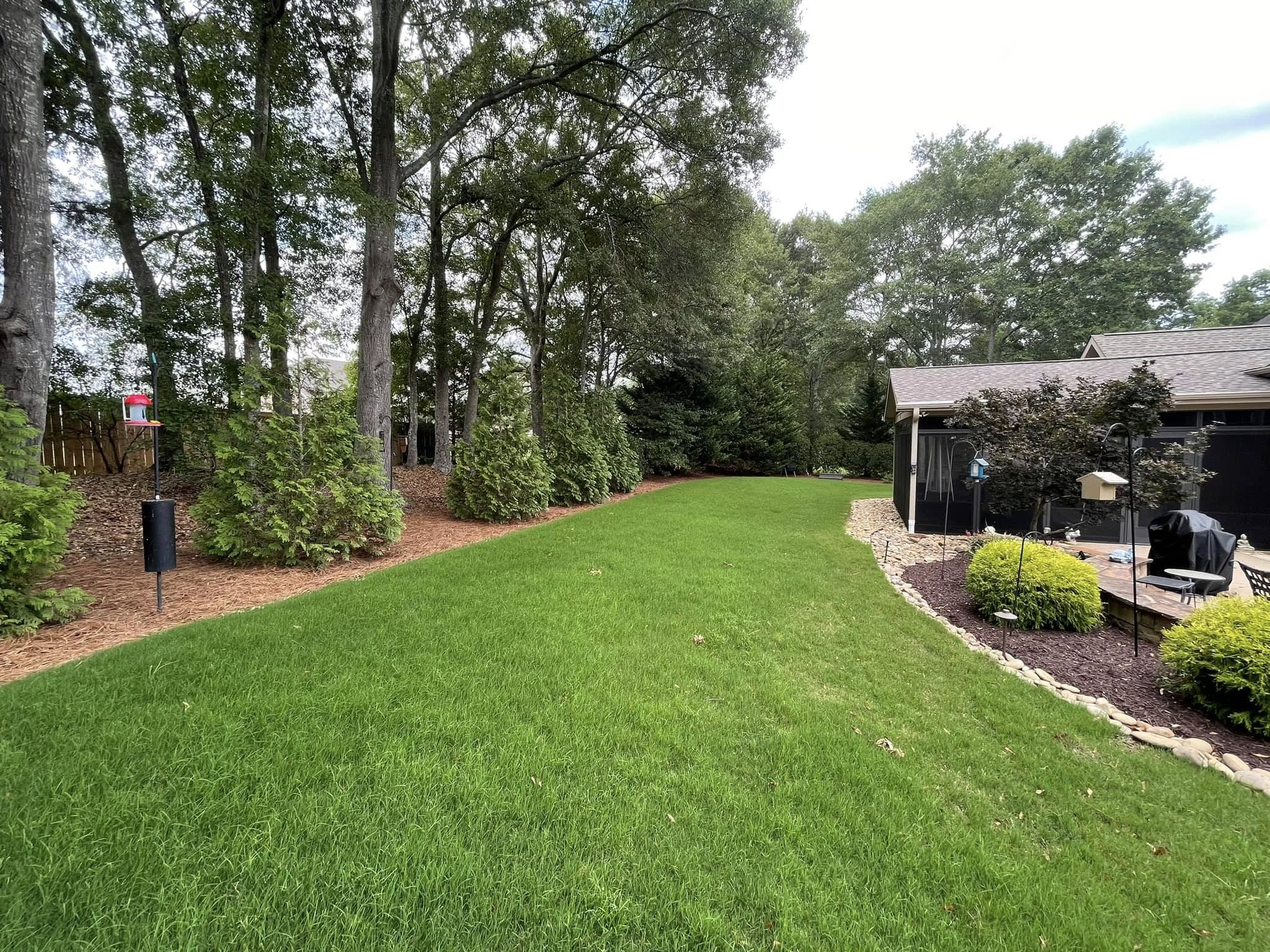
Furthermore, reducing lawn size can significantly impact sustainability. Lawns typically require frequent mowing, fertilizing, and watering, all of which consume resources. Instead, replace portions of your lawn with ground covers, wildflower meadows, or vegetable gardens for a more sustainable approach. If a lawn is necessary, choose varieties of grass that are drought-resistant and require less maintenance.
By including hardscaping elements made from recycled or locally-sourced materials, you can further support eco-friendly landscaping. Use stone, brick, or pavers for walkways and patios that reduce the need for lawn space and introduce aesthetically pleasing and durable surfaces.
Moreover, be mindful of the use of chemicals in your yard. Pesticides and herbicides can have devastating effects on beneficial insects and local wildlife. Consider natural alternatives or integrated pest management strategies, which focus on long-term prevention and reduced chemical usage.
Finally, educating yourself and others about sustainable practices can amplify your efforts. Attend workshops, read publications on sustainable gardening, and exchange ideas with fellow eco-conscious gardeners. Upstate Precision Landscaping can offer valuable advice and assistance to help you achieve a beautiful and sustainable yard.
Embracing eco-conscious landscaping not only creates a stunning outdoor space but also enhances the environment. By making mindful choices in your garden, you contribute to a healthier ecosystem, save resources, and create an outdoor sanctuary that you can enjoy for years to come. Take the first step today towards a more sustainable landscape with Upstate Precision Landscaping as your partner.
/filters:no_upscale()/filters:format(webp)/media/e92b5432-e6f6-4561-987d-998f0b0e3efa.jpeg)